Half-Term Works Made Easy: A Practical Guide to Safe Asbestos Surveys & Removal in Schools
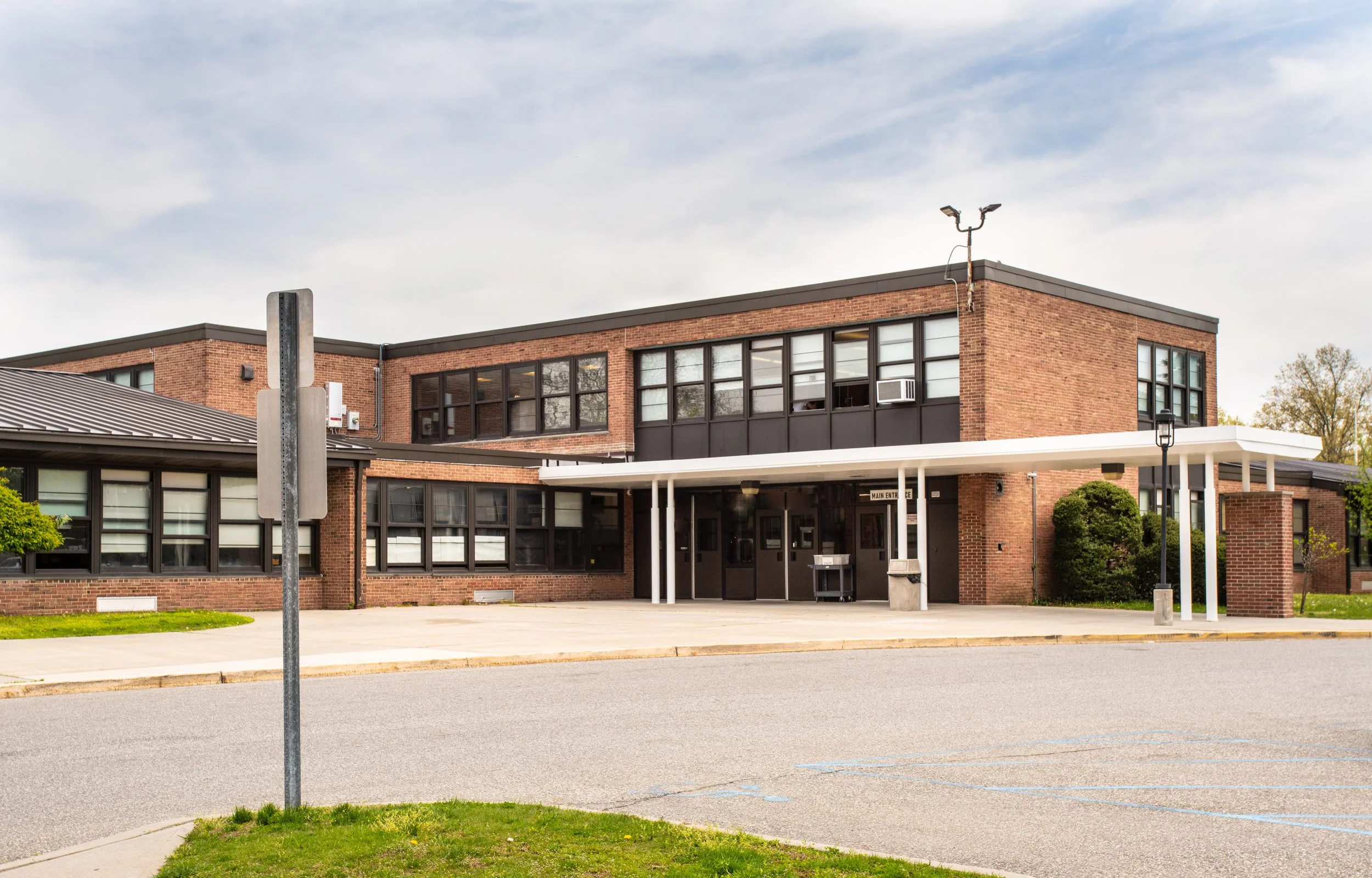
Half-term is one of the most valuable windows in the school calendar. Buildings are quieter, corridors are clear, and you can complete essential work with minimal disruption to staff and pupils.
It’s also the ideal time to tackle one of the biggest hidden risks in older education estates: asbestos-containing materials (ACMs).
If your school was built or refurbished before 2000, asbestos may still be present in parts of the building—often safely managed day to day, but risky if disturbed during maintenance or refurbishment. This guide explains what to plan, what to prioritise, and how to use half-term to keep your site safe and compliant.
Why is half-term the perfect time for asbestos-related works
When a school is fully operational, certain areas are hard to access safely—ceiling voids, corridors, plant rooms, risers, boiler cupboards, and service ducts. Half-term allows you to:
Work in clear, empty spaces without pupil movement
Create safe zones and controlled transit routes
Schedule noisy or intrusive tasks at sensible times
Reduce the risk of accidental disturbance
Complete works and hand back a Monday-ready building
For many school business managers and estates teams, half-term is the difference between “reactive patch-up” and “planned, controlled improvement”.
The most common asbestos hotspots in schools
Every building is different, but these are areas we commonly prioritise in education settings:
Ceiling voids and ceiling tiles | Ceiling voids can contain legacy boards, old insulation materials, or residues from historic works. Even when ACMs are in good condition, access and disturbance are key risks.
Plant rooms / boiler rooms | Older plant areas often include pipe insulation, service risers, and boxing materials that may contain ACMs.
Service cupboards and risers | These small spaces can hide a lot—old panels, boards, insulation and ducting.
Corridors and stairwells | High-traffic areas matter because you want safe access for ongoing maintenance and future upgrades (lighting, signage, fire doors, IT cabling).
Ancillary spaces | Caretaker stores, old prep rooms, loft spaces, basements—areas that are often “out of sight, out of mind” until someone needs to get in.
Survey types: which one do you actually need?
Schools usually need one of these (or a combination):
Management Survey
Used to manage asbestos during normal occupation. It helps maintain an asbestos register and plan.
Best for: ongoing duty-to-manage and keeping documentation current.
Refurbishment & Demolition (R&D) Survey
Used before intrusive works such as replacing ceiling tiles, refurbing a toilet block, altering heating systems, or running new cabling that penetrates surfaces.
Best for: half-term works that involve disturbance.
Rule of thumb: If you’re going to cut, drill, chase, remove, lift, or replace—you likely need R&D survey coverage in those specific areas.
What “low disruption” actually looks like
Half-term asbestos work doesn’t have to mean shutting the whole school. In many cases, we work in phased zones:
A sealed working area (containment where required)
Clearly marked access routes
Clean/dirty separation
Dust control measures and safe waste handling
Daily checks and tidy handover at the end of each day
This approach keeps the rest of the building safe and allows other contractors to work in parallel (where appropriate).
The bottom line
Half-term is the perfect window to reduce risk and improve your estate—as long as the work is planned properly.
If you’re unsure what type of survey you need, or you’ve got a list of jobs planned (ceiling tiles, plant, toilets, lighting, IT), we can help you scope it and map the safest, simplest route.
Need half-term support? We can survey, advise, remove or encapsulate — with a clear handover pack for your records.